
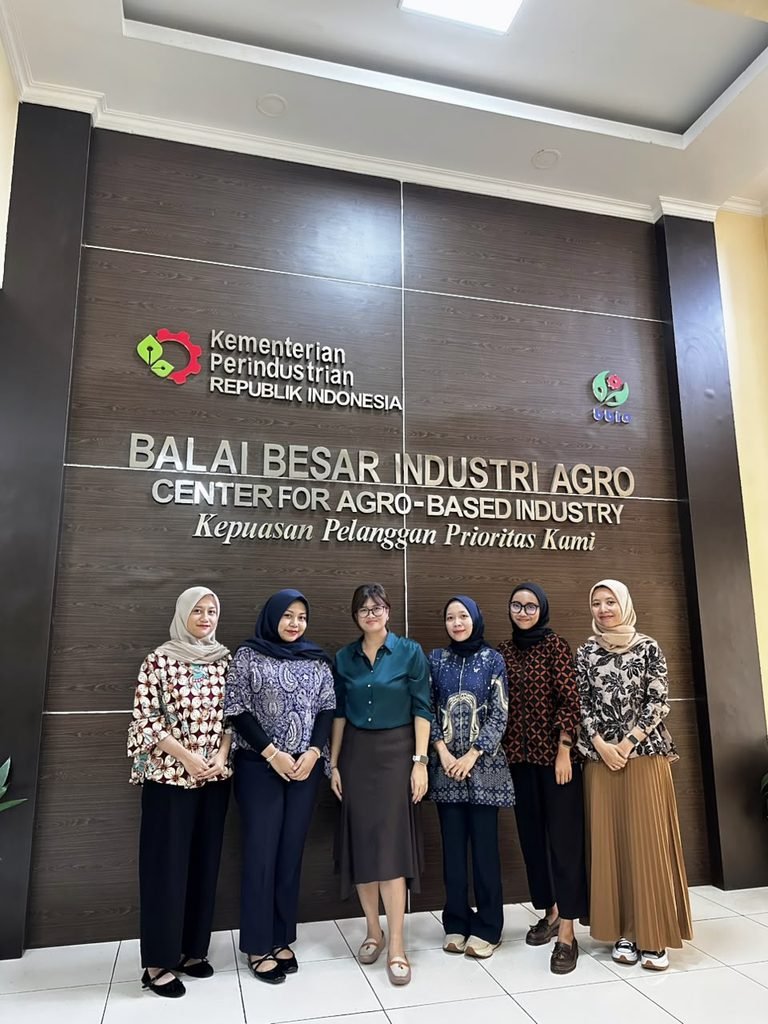
Bogor, 7 September 2026 — On Monday, 7 September 2026, AMQ Strategic Partner conducted an official consultation with Balai Besar Industri Agro (BBIA) in Bogor, West Java. The visit aimed to gain a clearer understanding of the procedures, technical requirements, and documentation involved in applying for mandatory Indonesian National Standard (SNI) certification and SPPT SNI, particularly for bottled drinking water (Air Minum Dalam Kemasan or AMDK).
The consultation formed part of AMQ’s efforts to strengthen its understanding of Indonesia’s product certification framework and provide more comprehensive regulatory support for companies seeking to introduce imported bottled drinking water products into the Indonesian market.
Understanding the Mandatory SNI Certification Process for Air Minum Dalam Kemasan (AMDK)
During the consultation, BBIA provided an overview of the certification pathway for bottled drinking water. The process begins with the preparation of corporate, product, manufacturing, and quality-management documentation, followed by registration through SIINas, the information system administered by Indonesia’s Ministry of Industry.
The application and supporting documents are initially subject to verification before the certification process proceeds to the appointed Product Certification Body (Lembaga Sertifikasi Produk or LSPro). For this process, BBIA acts as the LSPro responsible for conducting the certification assessment.
Once the documentation has been accepted, the certification process proceeds to a factory audit and product sampling. For products manufactured overseas, the audit and sampling activities are conducted at the foreign manufacturing facility, while the required laboratory testing is subsequently performed in Indonesia.
This process reflects the two sequential stages highlighted during the consultation: obtaining the SNI Certificate as evidence of product conformity, followed by obtaining the SPPT SNI for the use of the SNI mark.
Product and Manufacturing Requirements Are Key Elements of Certification
The discussion also emphasized that AMDK certification is not limited to laboratory testing. The manufacturing process itself forms an important part of the conformity assessment.
For spring water products, particular attention must be given to preserving the natural characteristics of the water throughout the production process. Based on the information provided during the consultation, the process should not involve sterilization from the spring source through to packaging where such treatment would alter the product’s classification.
Manufacturers are therefore expected to provide a detailed production process flow diagram, illustrating the journey from the water source and collection process through the production line and final registered packaging.
Supporting technical documentation also includes information on production facilities and equipment, product quality controls from raw materials through finished products, product specifications, organizational structure, business processes, and documented quality or food-safety management systems.
Additional Requirements for Foreign Manufacturers
For imported products manufactured outside Indonesia, additional corporate and legal documentation is required.
The foreign manufacturer’s incorporation or corporate documents and business registration documents must be appropriately legalized or apostilled in the country of origin and translated into Bahasa Indonesia by a sworn translator, as required.
SPPT SNI Follows the Issuance of the SNI Certificate
Another key topic discussed during the visit was the distinction between SNI Certification and SPPT SNI. After the SNI Certificate has been successfully issued, the company proceeds with the SPPT SNI application through SIINas by submitting the SNI Certificate together with the required supporting and technical documentation.
The SPPT SNI serves a different regulatory function from the SNI Certificate and is associated with the authorization to use the SNI mark in accordance with the applicable requirements.
Based on the information provided during the BBIA consultation, the SPPT SNI is subject to an annual compliance and surveillance cycle. Companies should therefore prepare for surveillance well before the applicable validity period expires.
The surveillance process may involve another factory visit, product sampling, and laboratory testing, making SNI compliance an ongoing regulatory obligation rather than a one-time certification exercise.
Strengthening AMQ’s Regulatory Support for Market Entry into Indonesia
Through this consultation, AMQ gained further practical insight into the end-to-end regulatory pathway for mandatory SNI certification of bottled drinking water, including document preparation, foreign factory assessment, laboratory testing, SNI certification, SPPT SNI, and subsequent surveillance requirements.
The visit also reinforces the importance of preparing regulatory requirements at an early stage of market entry, particularly for overseas manufacturers whose certification process requires coordination between the Indonesian authorized representative, foreign manufacturing facility, Ministry of Industry systems, LSPro, and testing laboratories.
For AMQ, direct engagement with relevant regulatory and certification institutions forms part of its commitment to providing clients with practical and up-to-date guidance when navigating Indonesia’s regulatory landscape.